Google Project Suncatcher — first TPU test in orbit
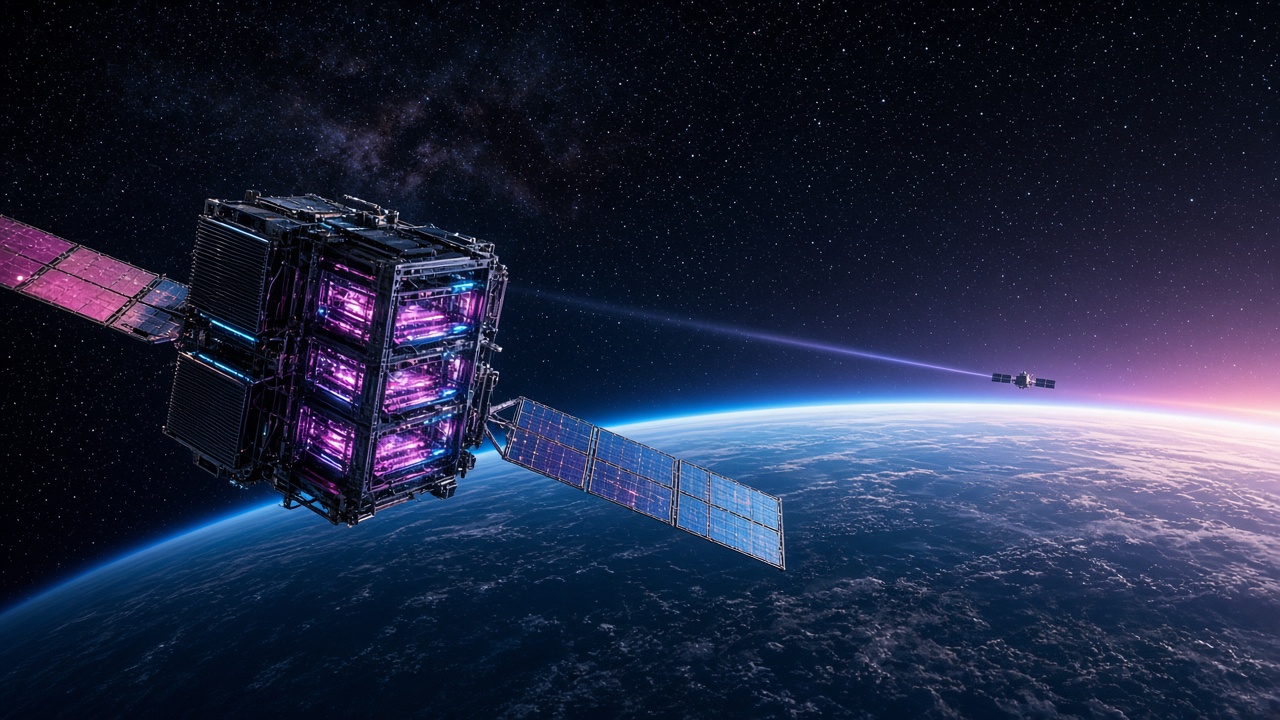
Can AI chips survive the vacuum? Google (Travis Beals, Sep 24, 2026) stamps the first in-orbit test for Project Suncatcher — a research moonshot exploring whether low Earth orbit can host scalable machine learning infrastructure.
Kingfish737 at the table: this is a prototype data-gathering flight, not an operational orbital data center — Reuters same-day wire aligns on Transporter-18 + Planet partnership.
What’s stamped
- Mission — prototype satellite carrying Google Tensor Processing Units (Trillium TPUs called out in ground-test notes) flies on SpaceX’s upcoming Transporter-18 rideshare, developed with Planet.
- Timing — Google says putting the first TPUs in orbit next week (from the Sep 24 post); Reuters frames the same launch window.
- Why space — near-constant sunlight in LEO; blog cites up to eight times more solar power than on Earth for future constellations.
- What they’re measuring — launch vibration / g-forces, radiation (bit flips), and vacuum cooling via heat pipes + radiators (no airflow).
- Ground work already done — vibration axes tests; proton-beam AI workloads at UC Davis Crocker Nuclear Laboratory; thermal-vacuum chamber cooling trials.
- 2027 follow-up — two satellites to test high-bandwidth short-range laser interconnects for future clusters.
What we are not saying
- No claim commercial orbital AI data centers are shipping — Google frames this as early research learning, years from viability per experts Reuters quotes.
- No invented Transporter-18 calendar day beyond “next week” / upcoming rideshare language in the wires.
- No YouTube playlist IDs printed in reader copy — blog links a video series; watch from the Google post.
Neon take: if your coffee table already argued about terrestrial power bills, Suncatcher asks a colder question — can the chips take the ride, the rays, and the radiator math before anyone dreams of a constellation.
Desk as of Sep 24, 2026 ~12:30 PM CT. Sources: Google — Behind Project Suncatcher (Sep 24, 2026) · Reuters (Sep 24, 2026).